

Dental implants Croydon patients consider after tooth loss can offer a fixed way to replace missing teeth, but knowing when to start the conversation can make the whole process feel much less daunting.
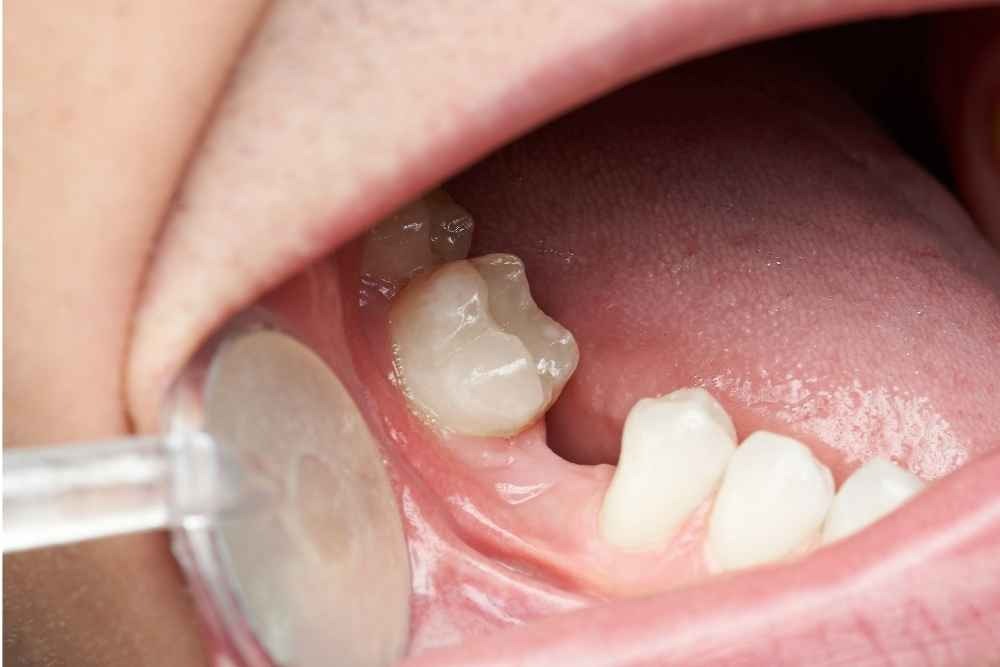
Losing a tooth can affect eating, speaking and your smile, and for some people it can have a significant impact on confidence too. You don’t need to make any big decisions straight away, but speaking to an implant dentist relatively soon after tooth loss can be helpful because the jaw naturally begins to remodel once a tooth root is no longer there.
Understanding what is happening, what your options are when researching dental implants Croydon, and how much time you have to decide can make the next steps feel far more manageable.
After a tooth is removed, the bone that once supported it begins a natural healing and remodelling process. Over time, the ridge can become narrower and lose some height, with some of the biggest changes happening during the first few months.
However, that doesn’t mean everybody needs an implant immediately - timing depends on several things, including why the tooth was lost, whether infection was present, your gum health and how much suitable bone is available.
An early dental check gives your Croydon dental implant dentist the chance to assess the area, look at your bone structure and explain whether waiting is likely to affect your options. Sometimes implant placement can happen soon after extraction. In other cases, allowing the area to heal first is the better approach, so an assessment by an implant dentist is a great first step. The important thing is that the timing is planned around you, rather than following a one-size-fits-all timetable.
Many adults with missing teeth may be suitable for implants, but the first step is always a proper assessment.
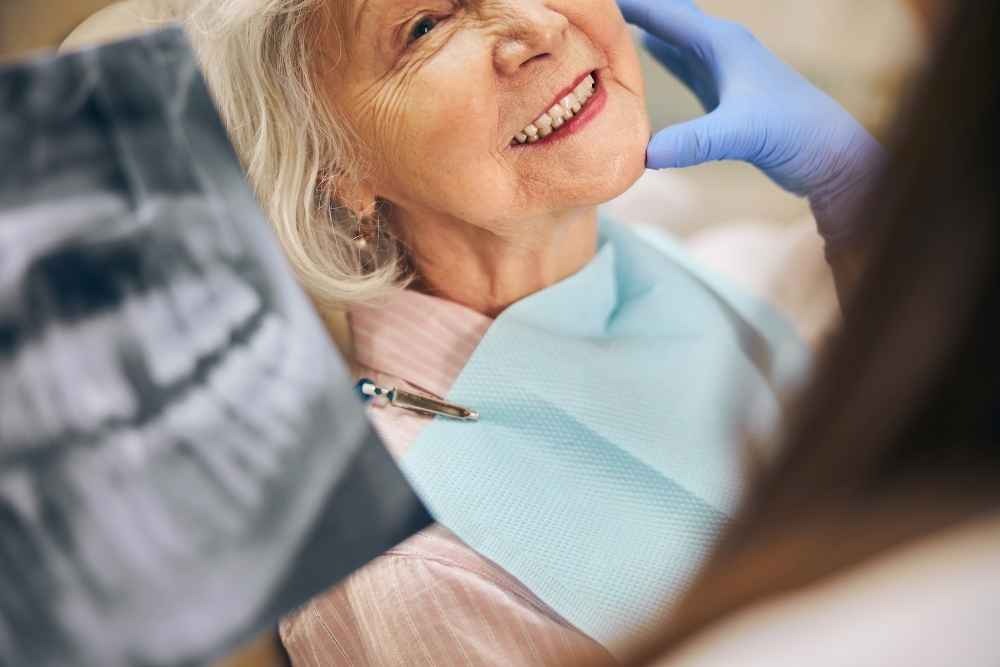
During your consultation, we’ll look at your gums, remaining teeth, bite, oral hygiene and available bone. We’ll also talk through your medical history, any medicines you take and factors such as smoking or vaping that may affect healing.
Good dental hygiene and ongoing care matter because implants need looking after just like natural teeth. If there is active gum disease or decay elsewhere in the mouth, this may need attention before implant treatment begins.
And if you are wondering whether you may be “too old” for treatment, age alone is rarely the deciding factor. Dental implants for older UK patients can still be suitable where general health, bone levels, healing and the ability to maintain the implant are all favourable.
Dental implant treatment normally happens over several stages rather than in a single appointment, and knowing that in advance can make the process feel much easier to plan around.
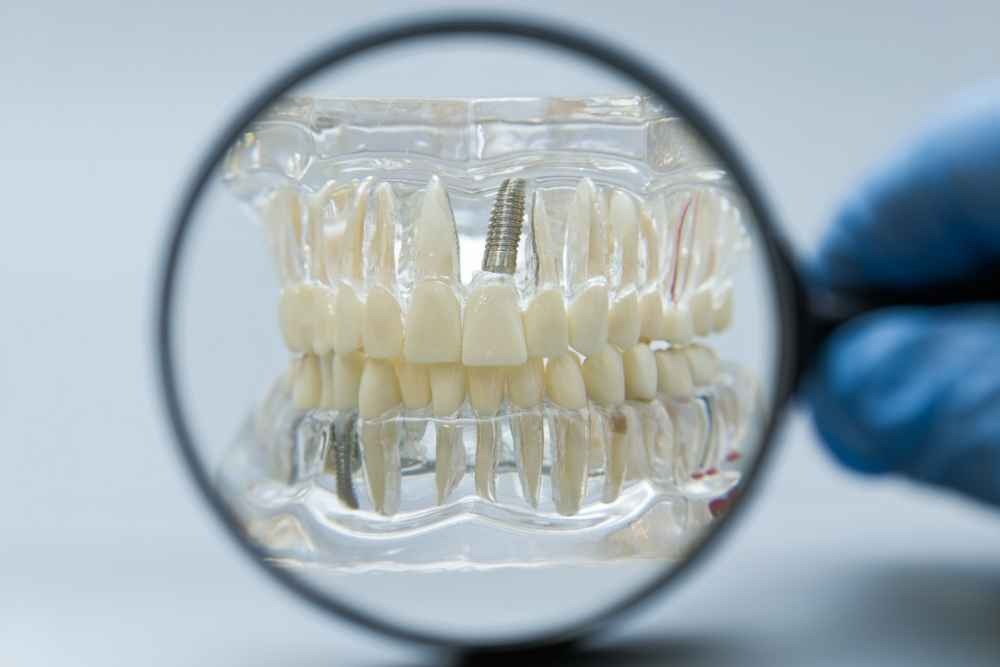
The journey usually looks like this:
It can feel like a long process when you first hear “several months” - but much of that time is simply allowing your body to heal and the implant to become securely integrated.
There is more than one way to replace a missing tooth, and implants are not automatically the right answer for everybody.
A dental implant is fixed into the jaw and can support a crown, bridge or denture. A conventional bridge uses neighbouring teeth for support, while dentures are removable.
When comparing dental implants vs dentures Croydon, it helps to think about factors such as maintenance, surgery, treatment time, comfort, cost and what feels right for your lifestyle.
Bridges and dentures are both valuable options too. We’ll explain the pros and limitations of each clearly so you can make a decision based on your mouth and priorities rather than feeling pushed towards one particular treatment.
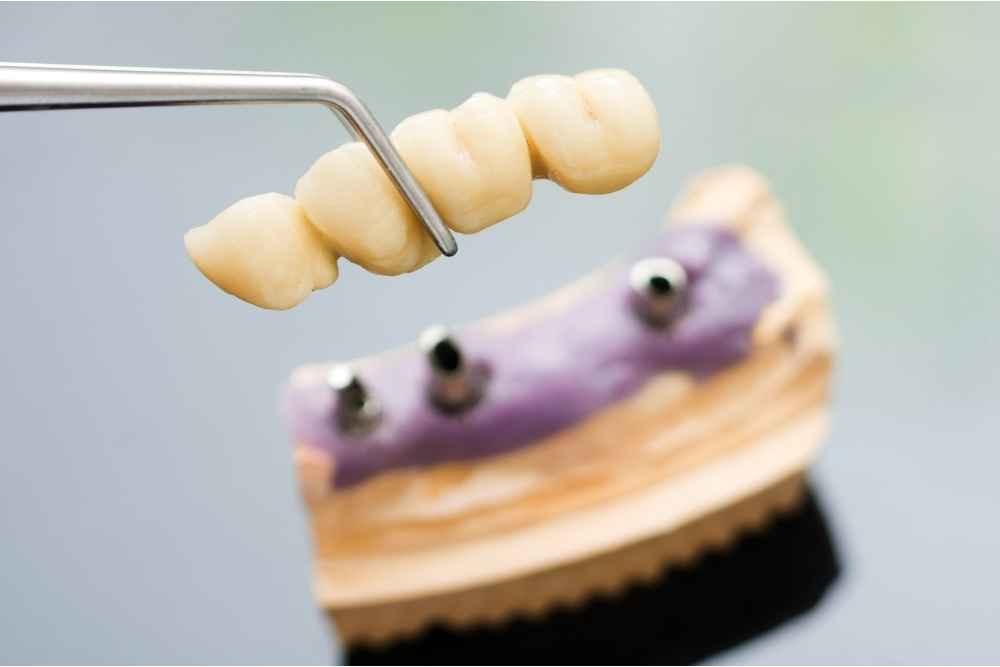
Replacing a missing tooth can make a big difference to your smile, but successful implant treatment is not only about filling the gap. Healthy gums, stable surrounding teeth and good everyday care all help create the right foundations for long-term implant health.
That means implants may sit alongside general dentistry, hygiene appointments and other cosmetic treatments where appropriate. Our Croydon cosmetic dentistry can certainly play a role in restoring your smile, but we always look at the health and function of the whole mouth too.
The aim is not simply to replace a tooth - it’s to help you feel comfortable eating, speaking and smiling again, while protecting your wider dental health.
Patients sometimes worry that waiting means they have missed their chance. In reality:
It is also completely understandable if tooth loss has affected more than how your mouth feels physically.
Some people stop smiling as freely, avoid certain foods or feel self-conscious in social situations. Restoring a missing tooth can therefore be about confidence as well as function, and those feelings deserve to be part of the conversation too.
Dental implants have a strong track record, but like any surgical procedure, they are not completely without risks.
Possible complications can include infection, failure of the implant to integrate with the bone, damage to nearby structures and later problems affecting the implant or restoration. Smoking and some health conditions can also increase certain risks.
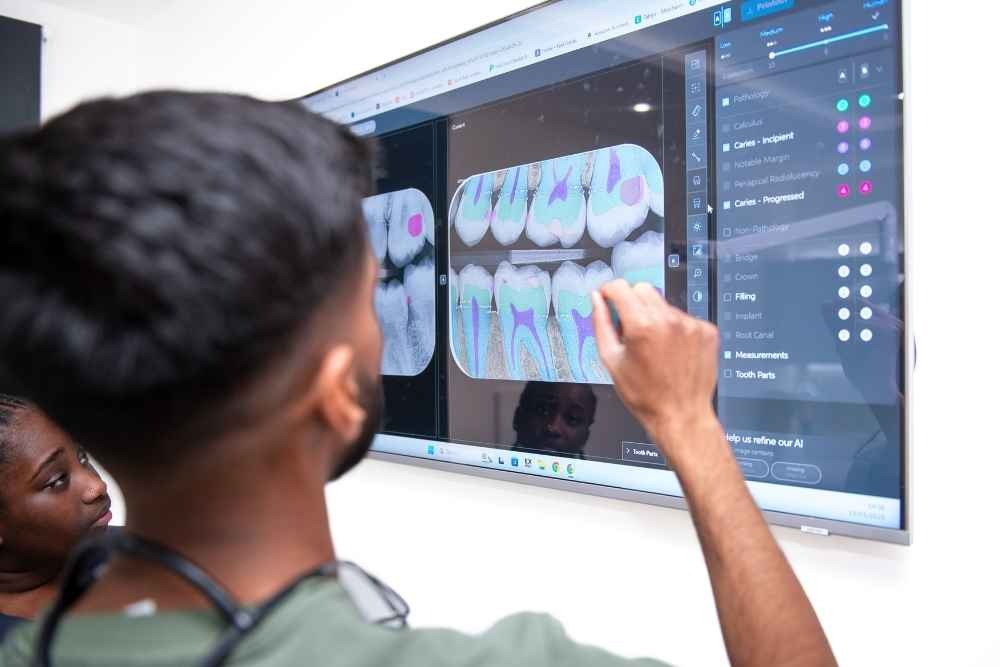
Before recommending treatment, your dentist should thoroughly assess your overall oral health, gum health, jawbone and bone density where relevant.
They should also explain your individual risk factors, the likely benefits, any alternatives and your proposed treatment plans clearly before you decide whether to go ahead.
The dental implants cost Croydon patients pay varies depending on how many teeth need replacing and whether any additional procedures are required.
At Feel Good Dental, a single dental implant in Croydon starts from £2,800, including the implant, abutment and crown, and our guide price for full mouth implants in Croydon starts at £16,000 (Full arch implants/All-on-4). Final costs depend on your individual treatment plan and any additional procedures required.
What’s more, Feel Good Dental offers transparent fees and flexible finance options for dental implants in Croydon, including 0% finance, allowing you to spread the cost of treatment over 6 to 60 months.
If you are comparing dental implants South London options, you can book a free consultation at our Lower Addiscombe Road practice. We welcome patients from Central Croydon, East Croydon, West Croydon, Thornton Heath, Norbury and Mitcham.
There is no pressure to commit to treatment at that first conversation. It is simply a chance to understand what is happening in your mouth, whether implants may be suitable and what your options could look like.
You can also book a free dental implant appointment online if you would like to discuss recent tooth loss with us - your local Croydon implant dentist.
A dental implant has no single standard UK price because costs vary depending on the case and what is included, but as a guide, at Feel Good Dental, a single implant starts from £2,800 including the implant, abutment and crown.
The main downsides to dental implants are surgery, healing time, ongoing maintenance, cost and the possibility of complications or failure. Your dentist should explain these alongside the benefits and alternative ways to replace missing teeth before treatment.
A full set of dental implants is not routinely available on the NHS, although implants may be provided in limited circumstances where there is a high-priority clinical need. Most dental implant treatment in the UK is provided privately.
The cheapest place to get dental implants in Croydon varies, but price alone should not decide where you have treatment. Compare what is included, clinician training, diagnostics, implant components, the final restoration and ongoing aftercare. If you’re comparing implant dentists locally, you may wish to consider Feel Good Dental in Lower Addiscombe, Croydon. Our multi-award-winning practice offers free consultations, evening and weekend appointments, interest-free Easy Payment Plans, and a wide range of dentistry, dental implants and facial aesthetics treatments under one roof.
Waiting after tooth loss does not automatically make dental implants impossible, but bone and gum tissues can change over time. An assessment can show whether enough suitable bone remains or whether additional treatment may be needed.
A missing tooth can sometimes be left without replacement, depending on its position, your bite and how well your mouth functions without it. Your dentist can explain any possible effects on chewing, neighbouring teeth, bone and your wider dental health.
Seeing a dentist before an extraction can be useful because future implant plans may influence how the tooth and extraction site are managed. It does not mean an implant needs to be placed immediately or that you are committing to treatment.
A dental implant may be possible after tooth loss caused by gum disease, but active periodontal disease should normally be controlled first. Gum health, bone levels, oral hygiene and your ability to maintain the area all affect suitability.
A dental implant does not guarantee that all bone change after tooth loss will stop. It can help maintain bone around the implant site, but natural remodelling of the surrounding tissues can still occur.


