

Inside every tooth is a soft centre called the dental pulp, containing nerves and blood vessels. If this becomes inflamed or infected through decay, damage or injury, it cannot usually heal by itself.
Root canal treatment, also known as endodontic treatment, removes the infected tissue from inside the tooth. The root canals are then carefully cleaned, shaped, filled and sealed to help prevent the infection from returning.
Most importantly, it may allow you to keep a tooth that might otherwise need to be removed.
At Feel Good Dental, we’ll explain what is happening, show you what we can see and talk you through every suitable option.
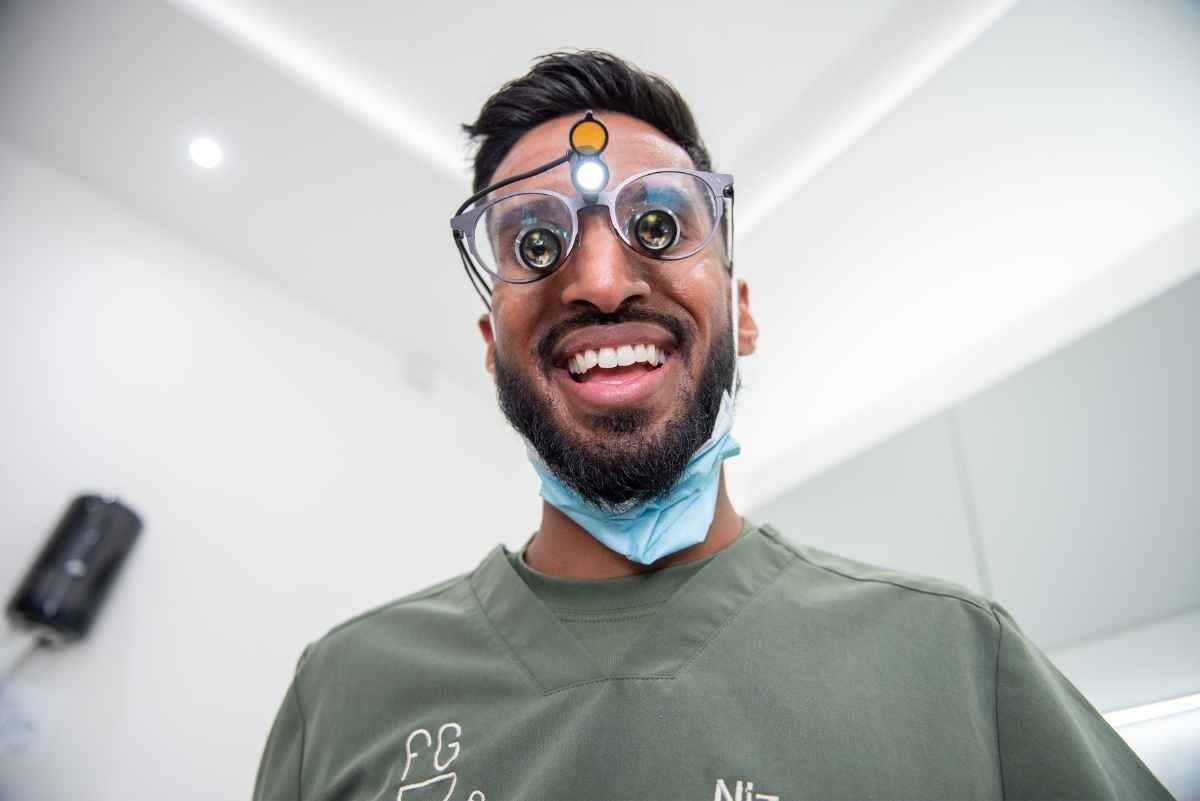

Need pain relief fast? If severe toothache is being caused by an inflamed or infected tooth, we may be able to provide a same-day emergency first-stage root canal procedure (extirpation), subject to availability.
This removes the affected tissue from inside the tooth to help relieve pressure and pain, giving you urgent relief before the full root canal treatment is completed.
In pain now? Call us on 020 4553 3077 to book an emergency appointment.
Root canal treatment may be recommended when the tissue inside a tooth becomes inflamed or infected because of decay, damage or injury.
Signs you may need treatment include:
• Persistent or severe toothache
• Pain when biting or chewing
• Lingering sensitivity to hot or cold
• Swelling around a tooth or gum
• A small spot or “gum boil”
• A tooth becoming darker in colour
• A chipped, cracked or badly damaged tooth
• Facial or jaw swelling
• A bad taste or discharge around the tooth
Some infected teeth cause few symptoms and may only be found during an examination or X-ray. Pain can also disappear if the nerve stops responding, so a tooth should still be checked even if symptoms suddenly improve.
Your dentist will assess whether root canal treatment can save the tooth and explain any suitable alternatives.
Root canal treatment and tooth extraction are very different options.
Root canal treatment aims to remove infection while keeping your natural tooth in place.
Extraction removes the entire tooth.
Where a tooth can be restored successfully, preserving it may help maintain your bite and avoid leaving a gap. However, not every tooth can or should be saved.
A severe fracture, extensive decay or inadequate remaining tooth structure may mean extraction is a more appropriate option.
If a tooth does need to be removed, replacement options could include:
• A dental implant
• A dental bridge
• A partial denture
• Leaving the space, where clinically appropriate
Your dentist will explain the advantages, limitations and costs of each suitable option so that you can make an informed decision.
Feeling nervous about root canal treatment is completely understandable, particularly if you have heard dramatic stories or had a difficult dental experience in the past.
Our Croydon practice is relaxed, welcoming and designed to put you at ease from the moment you arrive.
If you'd prefer, you can also arrange an optional video call to meet the team before visiting. An in-practice examination and X-rays will still be needed to diagnose the tooth properly, but an early chat can make that first appointment feel much less daunting.


Root canal treatment may sound serious, but your experience does not need to feel intimidating.
At Feel Good Dental, you can expect careful dentistry delivered with warmth, personality and honest communication.
Patients choose our Croydon dental practice because we offer:
✓ A friendly, supportive team who take time to listen
✓ Clear explanations without unnecessary dental jargon
✓ A calm and welcoming environment for nervous patients
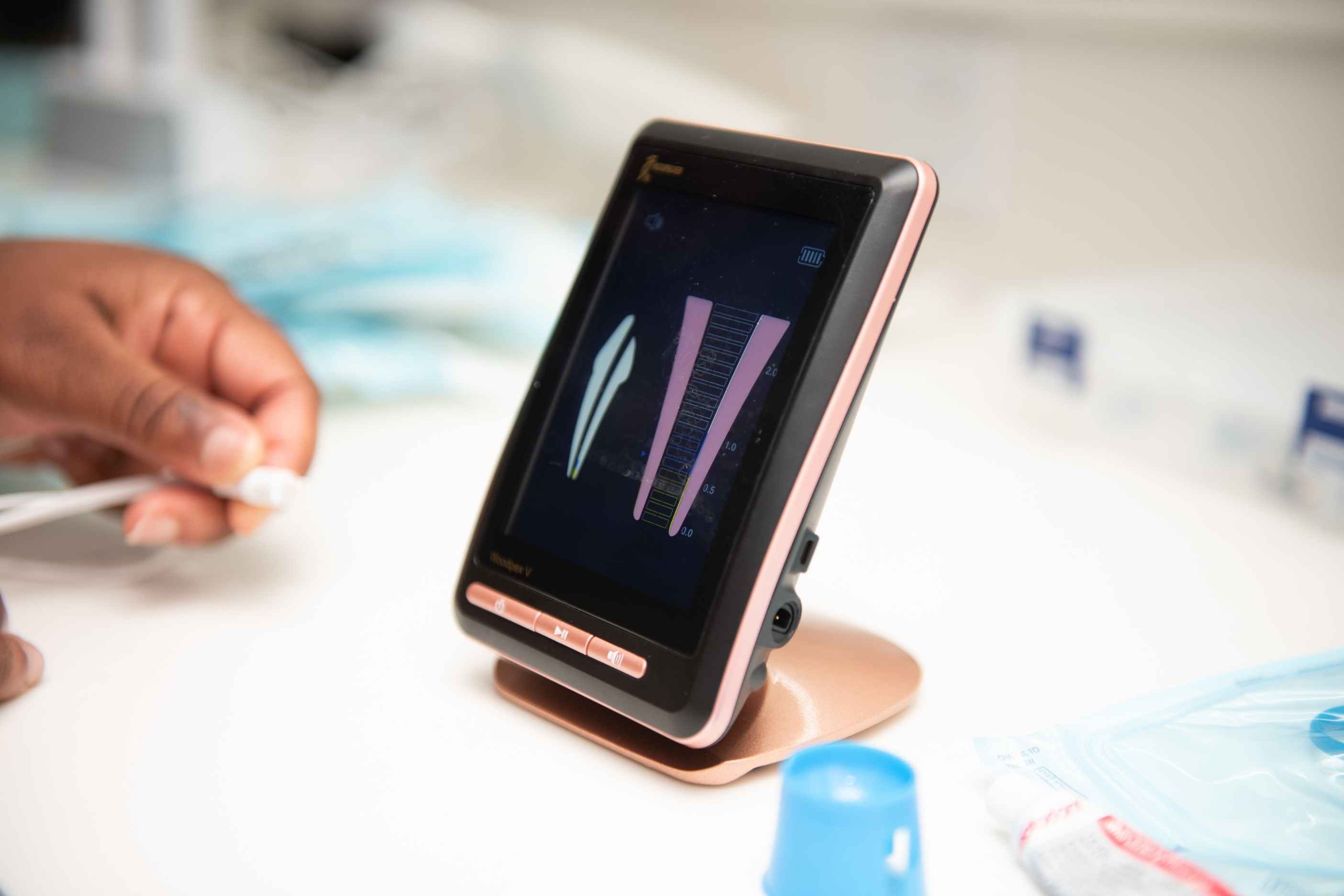
✓ Modern diagnostic technology and personalised treatment planning
✓ Transparent fees before treatment begins
✓ Evening and Saturday appointments, subject to availability
✓ Interest-free payment plans, subject to status and terms
✓ General dentistry, dental implants and cosmetic care under one roof
✓ A 5.0-star Google rating from more than 430 patient reviews
✓ An award-recognised Croydon dental team
We welcome patients looking for root canal treatment from Croydon, Addiscombe, East Croydon, Thornton Heath, Norbury, Mitcham and Tooting.
The cost of root canal treatment depends partly on the position of the tooth and the complexity of its root canal system.
Your dentist will provide a personalised treatment plan and confirm the full cost before treatment begins.
Any additional restoration, such as a filling or dental crown, will be discussed separately where required.
Book an appointment with the Feel Good Dental team for a careful assessment, clear advice and treatment focused on relieving discomfort and saving your natural tooth wherever possible.
For urgent toothache, swelling or a suspected dental abscess, call our Croydon practice for an emergency dental appointment on 020 4553 3077.
Root canal therapy, also known as endodontic therapy, removes infected or inflamed tissue from inside a tooth before the root canals are cleaned, filled and sealed. The aim is to treat the infection and save the natural tooth wherever possible.
You may need root canal therapy if you experience persistent toothache, pain when biting, prolonged sensitivity, swelling, a gum boil or darkening of a tooth. Infection can develop because of deep tooth decay, damage or injury.
Some infections cause no obvious symptoms and are only detected during an examination. Dental X-rays and other diagnostic dental technology can help your dentist assess what is happening inside the tooth.
Root canal treatment should not be painful while it is being carried out because the tooth is numbed with local anaesthetic. In fact, the pain people associate with a “root canal” is usually caused by inflammation or infection inside or around the tooth before treatment, rather than by the procedure itself. Root canal treatment is designed to remove the source of that pain and help save the natural tooth.
The tooth and surrounding area may feel tender for a short time afterwards, particularly if there was already significant inflammation or an abscess, but this should gradually settle as the area heals.
If you are experiencing severe toothache and the full root canal treatment cannot be completed straight away, Feel Good Dental may be able to provide an emergency initial extirpation. This is the first stage of root canal treatment, where the dentist accesses the inside of the tooth and removes inflamed or infected pulp tissue to help relieve pressure and pain. The tooth is then usually dressed and temporarily sealed until the full root canal procedure can be completed.
Your dentist will explain each stage, what to expect afterwards and what to do if your symptoms do not improve.
Root canal appointments commonly last between one and two hours, although the time needed depends on the tooth, the number of canals and the extent of the infection.
Root canal therapy may be completed in one appointment, but two or more visits are sometimes needed. If the tooth has a particularly complex root canal system, your dentist may recommend referral to an endodontist.
Root canal treatment can often save an infected or badly damaged tooth by removing the infection and sealing the root canal system. Whether it can be saved will depend on its remaining structure, the condition of the roots and whether it can be restored effectively.
Preserving the tooth may also help maintain your bite and protect the position of surrounding teeth.
Root canal treatment preserves the natural tooth, while an extraction removes it. Saving the tooth is often preferable when it can be restored successfully, but extraction may be recommended if it is too damaged or fractured to treat predictably.
Your dentist will explain the benefits, limitations and costs of each suitable option before you decide.
Your mouth may remain numb for several hours after root canal treatment, and the tooth can feel tender while the surrounding tissues settle. Avoid chewing heavily on the treated tooth until your dentist advises it is safe.
Attend any follow-up appointments and contact the practice if pain or swelling becomes severe or does not begin to improve.
At our Croydon dental surgery, root canal treatment currently costs from £695 for a front tooth, £775 for a premolar and £850 for a molar, although more complex cases may cost more. Your dentist will confirm the full fee after examining the tooth and assessing the treatment required.
A dental crown may also be recommended afterwards if the tooth has been weakened and needs extra protection. If so, the additional cost will be explained before treatment.
Antibiotics do not usually remove an infection contained inside the root canal system. They may be prescribed if the infection has spread and caused symptoms such as significant swelling, but the tooth itself will normally still require dental treatment.
A root canal-treated tooth can occasionally become infected again, particularly if bacteria enter through new decay, a damaged filling or a crack. Further root canal treatment or another dental procedure may sometimes be possible, depending on the condition of the tooth.


