

If you’ve been advised to consider dental crowns in Croydon - or anywhere across the UK - it’s completely normal to have questions. At our award-winning Croydon clinic on Lower Addiscombe Road, we focus on clear, supportive dental care so you understand your options and feel confident about protecting your smile.
So if you've been searching for 'dental crowns Croydon' or 'restorative dentistry near me' - you’re in the right place. Whether you live in Croydon or nearby areas such as Addiscombe, East Croydon, Shirley or West Wickham, this guide explains dental crowns in a clear, straightforward way, so you know what your options are - and importantly, what happens next.
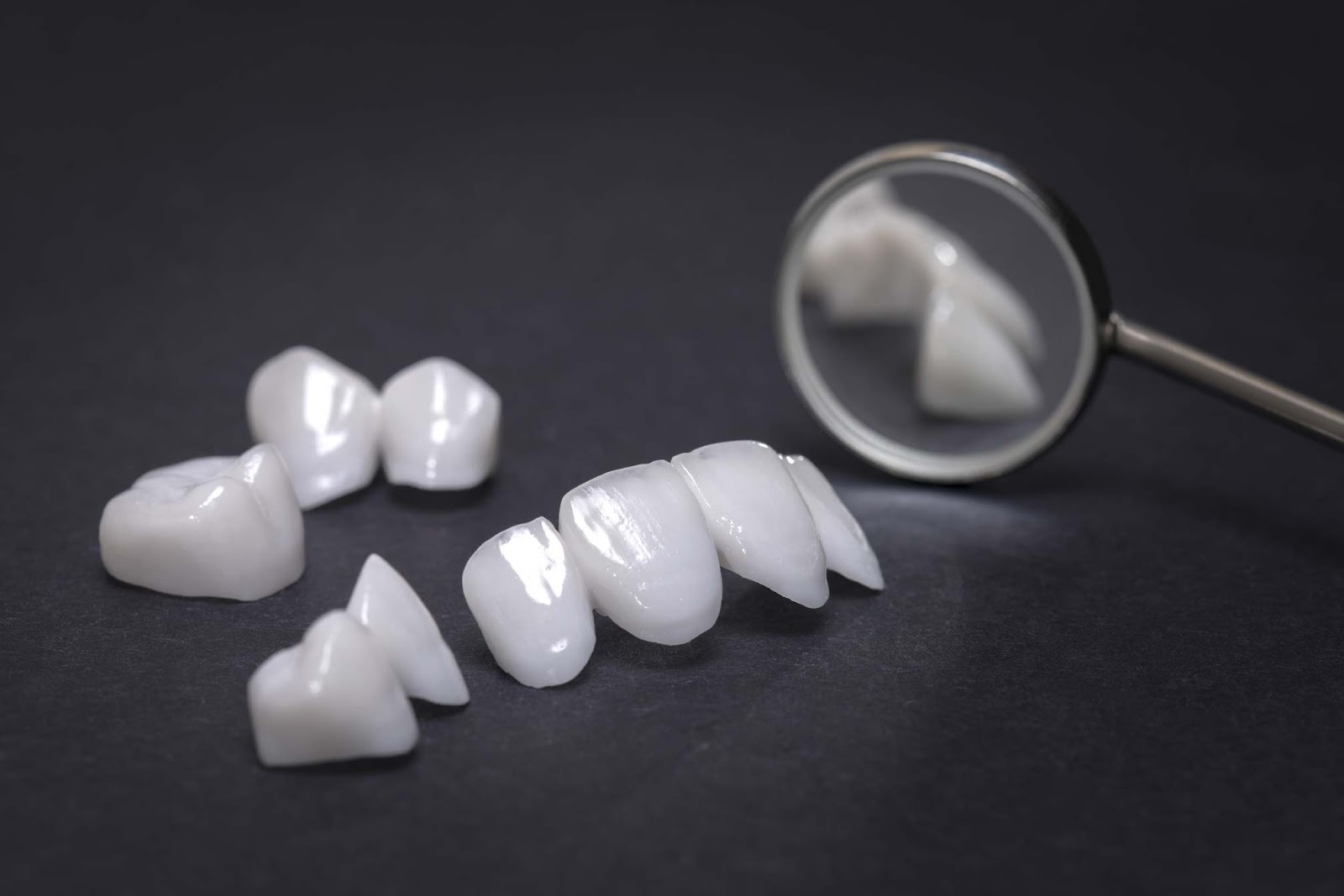
A dental crown is a custom-made restoration - almost like a ‘cap’ - that fits over the visible part of your tooth. It is designed to protect and strengthen a natural tooth that has been weakened by decay, a crack, or previous treatment. The aim is to restore function while preserving as much of your natural tooth as possible.
Depending on the material used and the position of the tooth, a crown is shaped and coloured to resemble a natural tooth, so it blends comfortably with your smile.
It’s designed to:
Crowns are used in both general dentistry and cosmetic dentistry, depending on the reason for treatment and the tooth involved.
A crown may be recommended when a tooth needs extra protection that a filling is unlikely to provide. Common reasons include:
If you are searching for dental crowns in Croydon, it is often because a dentist has advised that your tooth needs more support to reduce the risk of further damage.
You may find it easiest to think of it like this:
If a tooth has lost a significant amount of structure, placing another larger filling might not give it the strength it needs. A crown spreads bite pressure more evenly and helps protect the remaining tooth.
If you are unsure why a crown has been recommended, it’s always okay to ask your dentist to explain the decision and any alternative options.
There are several types of dental crowns available in Croydon and across the UK. The right choice depends on the position of the tooth, your bite, aesthetic preferences and clinical considerations.
Common crown materials include:
Porcelain or ceramic crowns: Often chosen for front teeth where appearance matters most. These are designed to look natural and blend with surrounding teeth.
Porcelain fused to metal crowns: A combination option that offers strength alongside a natural appearance. These are sometimes used where biting pressure is higher.
Metal crowns: Very strong and durable. Typically used on back teeth where chewing forces are greatest. They may be visible depending on the tooth’s position.
Resin crowns: Less commonly used as a long-term solution. They may be suitable in certain situations but tend to wear more quickly.
At Feel Good Dental, we offer the following crown options:
Emax and zirconia crowns are strong, tooth-coloured options designed to blend naturally with surrounding teeth while providing long-term durability. Composite crowns or onlays may be suitable in more conservative cases.
Your dentist will recommend the most appropriate material based on:
The focus is always on protecting your natural tooth while achieving a stable, long-term result.
Most crown treatment is completed across two appointments.
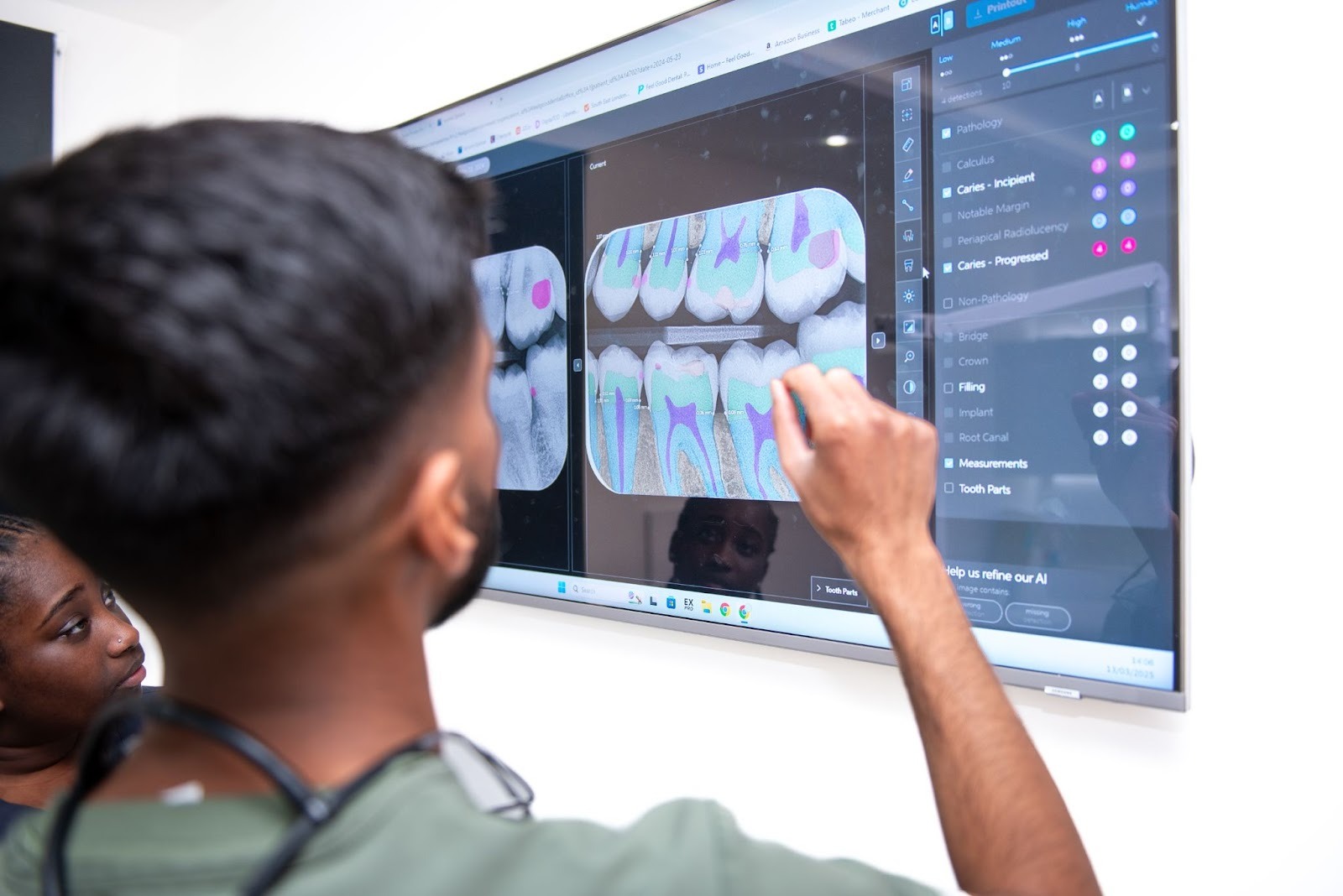
Your dentist will examine the tooth and may take X-rays. The tooth is then shaped so the crown can fit securely. Local anaesthetic is used to keep you comfortable.
A temporary crown is placed to protect the tooth while your permanent crown is made. This helps you eat and speak comfortably, while keeping the prepared tooth safe.
At your follow-up appointment, the permanent crown is checked for fit, bite and appearance, then secured in place.
Your dentist will explain what is happening at each stage, and you will have the chance to ask questions before moving forward.
A crown is usually not fitted on the same day because it is custom-made. However, if you are in pain or the tooth is damaged, the urgent part of the problem can often be managed at your first visit. This may involve stabilising the tooth, addressing discomfort, and placing a temporary crown if appropriate.
Your dentist will explain what can be done on the day and what needs a follow-up appointment.
Crown treatment is carried out using local anaesthetic to keep you comfortable. This is usually given as a small injection into the gum around the tooth, which gently numbs the area before any work begins. You may feel some pressure during treatment, but it should not be painful.
After the appointment, mild sensitivity for a short period is normal, especially if the tooth was already sore. This usually settles within a few days. If discomfort continues or worsens, contact your dentist for advice.
If you feel nervous about dental treatment, let the team know. A calm, supportive approach and clear explanation at each step can make the experience feel much more manageable.
Crowns are designed to be durable, but their lifespan depends on factors such as:
With good care, crowns often last for many years. Your dentist will check the crown and the surrounding tooth at routine appointments.
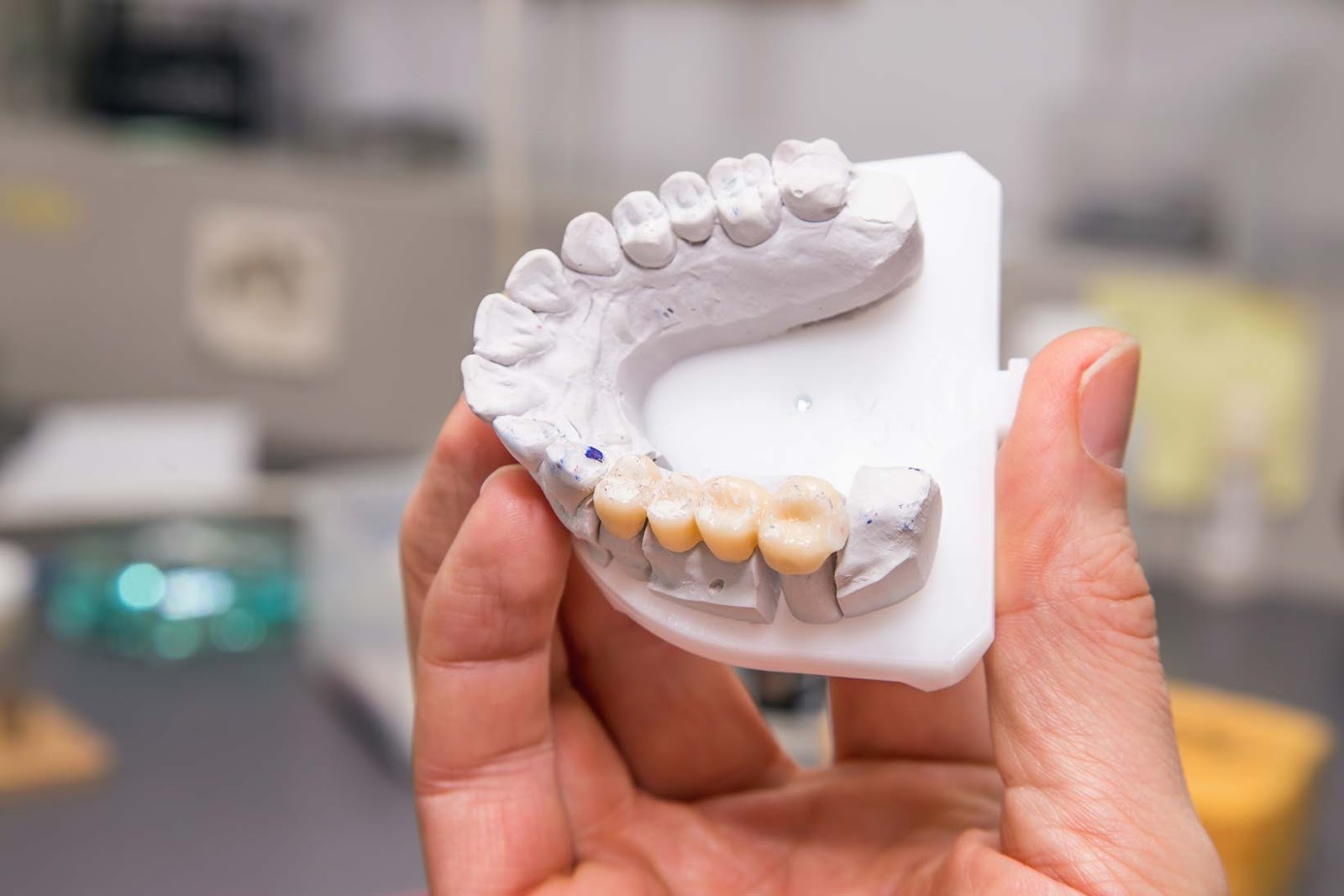
Crowns do not replace missing teeth on their own, however, crowns can support a dental bridge, which is one way to replace a missing tooth. A bridge uses neighbouring teeth as support.
If you have missing teeth, your dentist may discuss several restorative options such as implants, dentures or implant retained dentures - depending on your oral health and preferences.
Dental crowns are widely used and considered a well-established type of treatment, however it’s still helpful to understand a few practical points before going ahead:
Regular check-ups help catch issues early and protect the tooth underneath.
Crown fees vary depending on:
At our Croydon clinic, we offer several crown options:
For full details of our current fees, please visit our fees page.
You should always receive a clear breakdown of costs before treatment begins, including what is included and what may be needed later. If you are comparing providers, it is worth checking what is included in the fee, not only the headline price.
If you are deciding where to go for dental crowns in Croydon, consider:
You should feel comfortable asking questions and confident you understand the plan before you proceed.
Day-to-day care matters. To help protect your crown and ensure it lasts as long as possible, whilst staying comfortable, we suggest:
If you grind your teeth, speak to your dentist about a night guard.

If you have been advised to consider a crown, you do not have to decide on the spot. A good appointment should leave you feeling clear on:
If you would like to explore dental crowns in Croydon, you can book a free face to face or virtual appointment at Feel Good Dental - our friendly team will be glad to help.
A dental crown is a custom-made covering that fits over a natural tooth to restore its strength, shape and function. Dental crowns in Croydon are commonly used to protect weakened teeth and help maintain long-term dental care. The goal is always to preserve your natural teeth wherever possible.
A filling repairs a specific area of damage. A crown protects the whole natural tooth. If a large portion of the tooth is missing or cracked, a crown may provide better long-term support. Your dentist will assess the condition of your teeth and explain which option best protects your smile.
Yes - while crowns are primarily used to strengthen teeth, they can also improve colour, shape and alignment. Dental crowns in Croydon are often chosen for front teeth where restoring a confident smile is important.
Modern crowns are designed to blend with your natural teeth. Ceramic and porcelain crowns are colour-matched carefully so they look natural in everyday life. Your dentist will discuss the most appropriate material depending on the tooth’s position and your preferences.
With good oral hygiene and regular dental care, crowns can last for many years. Longevity depends on factors such as bite pressure, grinding habits and routine check-ups. Protecting the underlying natural tooth is just as important as caring for the crown itself.
Local anaesthetic is used to keep you comfortable during treatment, usually given as a small injection into the nearby gum. Some mild sensitivity afterwards is normal and usually settles quickly. If you have concerns about discomfort, let your dental team know so your care can be tailored appropriately.
Yes, after root canal treatment, a tooth can become more brittle. A crown is often recommended to strengthen and protect the remaining natural tooth structure.
Crowns do not replace missing teeth on their own, but they can support a dental bridge. If you are missing a tooth in Croydon or South London, your dentist will discuss whether a bridge or another replacement option is suitable for you.
The cost of dental crowns in Croydon varies depending on the material used and the complexity of treatment. You will always receive clear information about fees before any treatment begins at our Lower Addiscombe Road clinic.


