

Tooth pain has a way of stopping everything. Whether it started suddenly - following a cracked tooth or other dental trauma - or has been building over a few days, it’s completely natural to question whether you need to be seen urgently by an emergency dentist in Croydon.

Severe toothache, swelling, or a knocked-out tooth can feel overwhelming, but the reassuring news is that most dental emergencies are very treatable, particularly when you seek advice early.
If you live in Croydon or nearby areas such as Addiscombe, East Croydon, Shirley or West Wickham, this guide explains how to recognise when you need urgent dental care, what will happen at your appointment, and what to do next.
Not every dental problem needs urgent treatment, however, some situations should be assessed as soon as possible. You should contact an emergency dentist if you have:
If you are unsure, it’s always safer to call and explain your symptoms, as a dental professional can advise you on the next steps. For advice outside practice hours, NHS 111 can guide you to appropriate services.
It’s important to note that if swelling is affecting your breathing or swallowing, seek urgent medical care via A&E or call 999.
Toothache isn’t always counted as a dental emergency, especially if it’s a mild discomfort that settles with pain relief, and does not worsen. In this instance, it may be suitable to wait for the earlier routine appointment to become available.
However, you should seek urgent dental care if:
Tooth pain is your body’s way of signalling that something needs attention. Early assessment often prevents more complex treatment later and helps protect your teeth in the long term.
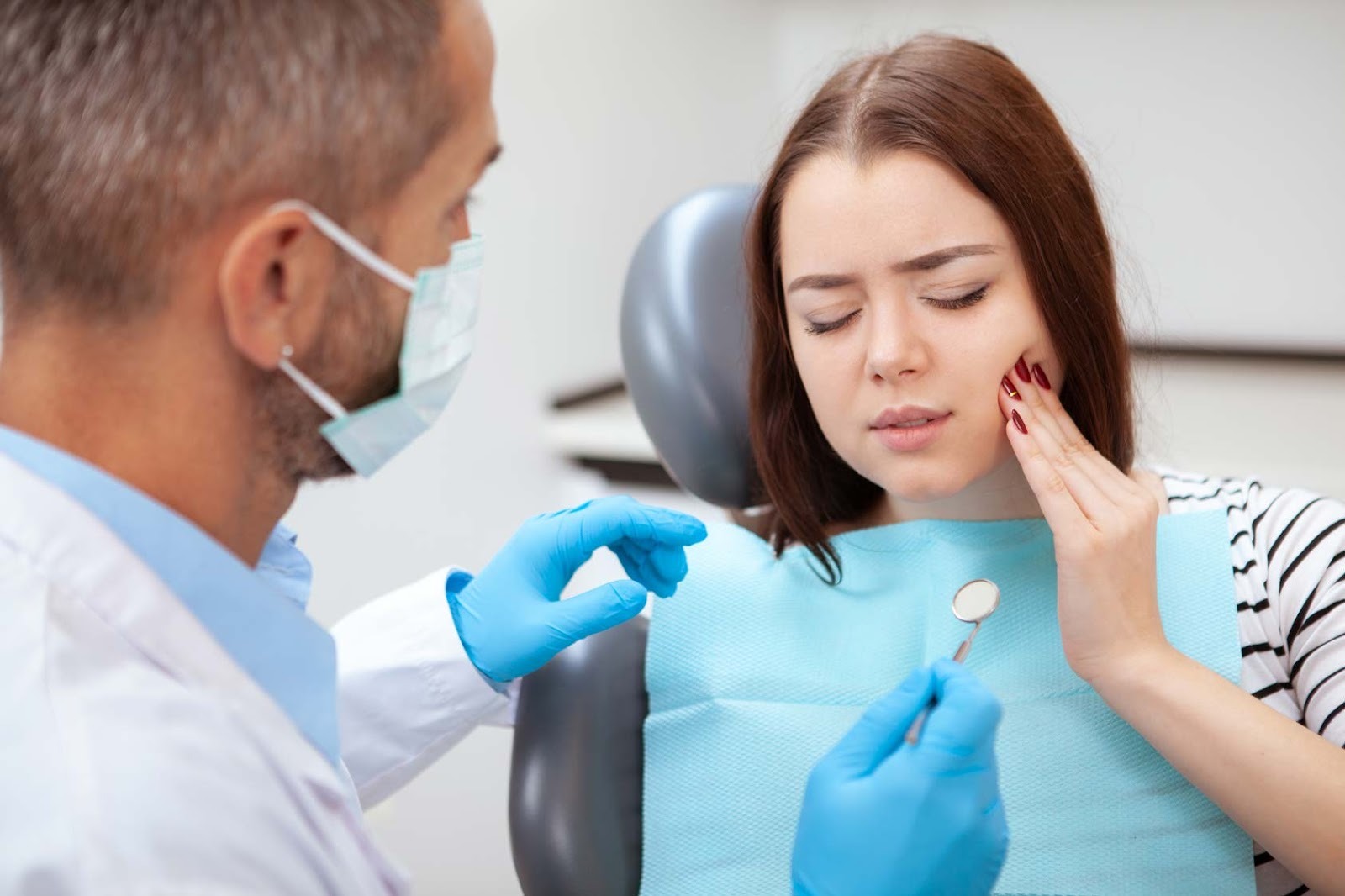
If you are waiting to be seen:
With knocked-out teeth, time matters, so seeking advice promptly gives the best chance of a positive outcome. Whilst waiting for the emergency appointment, follow these steps if a tooth has been knocked out:
When you attend an emergency dental appointment in Croydon or elsewhere, your first visit is focused on one thing: getting you comfortable and stabilising the problem.
When you attend your emergency appointment, your dentist will:
The priority is to relieve discomfort and prevent the problem from getting worse. Depending on the cause, this might involve:
In many cases, treatment is started on the same day. If further care is needed, you’ll leave with a clear plan and next steps.
You will always receive transparent information about costs and treatment before anything goes ahead.
Urgent cases are usually assessed on the same day where possible. The exact timing depends on the severity of your symptoms.
If you are unsure whether your situation is urgent, call and explain what is happening. Our friendly, helpful team will guide you calmly through the next steps and advise you appropriately.

In many cases, yes - if the problem can be resolved safely during your emergency visit, treatment may be carried out during the appointment itself. This often includes managing pain, placing a temporary filling, addressing infection or, where appropriate, carrying out an extraction.
However, some situations require a follow-up appointment. This may be the case if more complex treatment is needed or if additional planning is required.
Your dentist will explain your options clearly and talk you through what can be done on the day, so you feel informed and reassured, and leave with a clear treatment plan.
Once the immediate problem has been treated, ongoing care becomes important.
Regular check-ups, good oral hygiene and early treatment of related or other dental issues reduce the likelihood of future emergencies.
If you have not seen a dentist in some time, there is never any judgement. Here at Feel good Dental, our focus is simply on getting you comfortable, supporting your oral health and helping you feel confident moving forward.
In Croydon, emergency dental care may be available through NHS services or private practices.
Feel Good Dental is a private dental practice, meaning we’re able to offer prompt emergency appointments focused on relieving discomfort and getting you back to feeling like yourself. Find out more here.
Some practices may also offer NHS care. Emergency treatment in England is usually charged at the current NHS Band 1 rate, which covers examination, diagnosis and advice. If further treatment is required, additional NHS charges may apply depending on the treatment band.
If you are unsure which route is most appropriate for you, NHS 111 can provide guidance, particularly outside normal practice hours.
If you are in pain and unsure what to do, the most important thing is not to ignore it. After all, emergency dental care is about relieving discomfort, preventing complications and helping you feel safe again.
Whether you are in central Croydon or nearby areas such as Addiscombe, East Croydon, Shirley or West Wickham, support is available when you need it.
If you would like to speak to our team or arrange an emergency appointment, you can find full details on our emergency dentist Croydon page.
Broken teeth should always be assessed, especially if there is pain, bleeding or sharp edges. Even small cracks can worsen over time. If you are unsure, call for advice. Early assessment helps protect your teeth and prevent further dental issues.
Antibiotics may be prescribed if infection is spreading or you feel unwell. However, antibiotics alone do not remove the source of infection inside the tooth. Dental treatment is usually required to resolve the issue fully and protect surrounding teeth and tissues.
Persistent tooth pain should not be ignored, so if discomfort lasts more than a day or two, worsens, or begins to affect your sleep, call for advice. Early assessment reduces the risk of complications and further dental issues.
Wisdom tooth pain is common, particularly if the tooth is partially erupted or infected. Mild discomfort may settle, but swelling, difficulty opening your mouth or feeling unwell should be assessed promptly.
Localised mild swelling may not be urgent, however facial swelling, spreading infection or feeling generally unwell requires prompt assessment. In these cases, patients should call as soon as possible for guidance.
Children with severe pain, swelling or trauma to their teeth should be assessed promptly. Try to keep them calm and call for advice. Early reassurance and assessment usually make a significant difference.
If extraction is clinically appropriate and consent is given, a dentist may remove a tooth during an emergency visit. This depends on the assessment and your overall oral health, and all options will be explained clearly before treatment proceeds.
Broken dentures, loose dentures or sore areas caused by dentures rubbing can feel uncomfortable, and affect eating or speaking. If this happens, call your dental team for advice. Adjustments or repairs may be needed to protect your gums and remaining teeth.
NHS 111 provides advice and can direct patients to urgent dental services if needed, especially outside normal opening hours. If you live in Croydon or nearby areas such as Bromley - or anywhere across the UK - they can guide you to appropriate local support.


