

If you’re searching for 'composite bonding Croydon', you’re probably hoping to improve the look of your smile in a simple, low-fuss way. Composite bonding is a popular cosmetic dental treatment used to improve the shape, shade and overall appearance of teeth. It is often chosen by patients with chipped teeth, small gaps, uneven edges or areas of discolouration.
At Feel Good Dental, we welcome patients from across Croydon, including Addiscombe, Croydon town centre, West Croydon, South Croydon, Shirley, South Norwood and even across Essex and London. Many people choose composite bonding because it offers visible results without extensive treatment, making it a helpful option for patients who want subtle but noticeable improvements.
In this guide, we explain what composite bonding is, how it works, who it suits and what to expect if you are considering treatment.
Composite bonding is a cosmetic dentistry treatment that uses a tooth-coloured resin to improve the appearance of teeth. The material is applied directly to the surface of the tooth, then carefully shaped and polished to blend in with your natural smile.
It is often used to:
One of the reasons composite bonding is so popular is that it is usually a conservative treatment. In many cases, very little natural tooth structure needs to be removed.
Composite bonding is designed to make small but effective improvements to your smile. By adding carefully matched composite material to the teeth, your dentist can refine their shape, improve symmetry and create a brighter, more even look.
This treatment is often chosen by patients who want:
The result should look natural and in keeping with the rest of your teeth, rather than obvious or overdone.
There are several reasons patients choose composite bonding in Croydon.
First, it is a straightforward treatment for many common cosmetic concerns. Second, results are often visible straight away. Third, it is usually less invasive than some other cosmetic options.
Patients often like composite bonding because:
For many people, it is a practical way to make small changes that have a big impact on confidence.
Composite bonding is best suited to minor cosmetic changes rather than major restorative work. It is often used to improve:
Your dentist will assess your teeth, gums and bite before recommending treatment, to make sure bonding is the right option for you.
If you have a chipped tooth, composite bonding is often a simple way to restore its shape and appearance. The resin is matched to your tooth shade, applied carefully and sculpted to blend in naturally.
This makes it a popular option for front teeth, where even small chips can feel obvious when you smile.
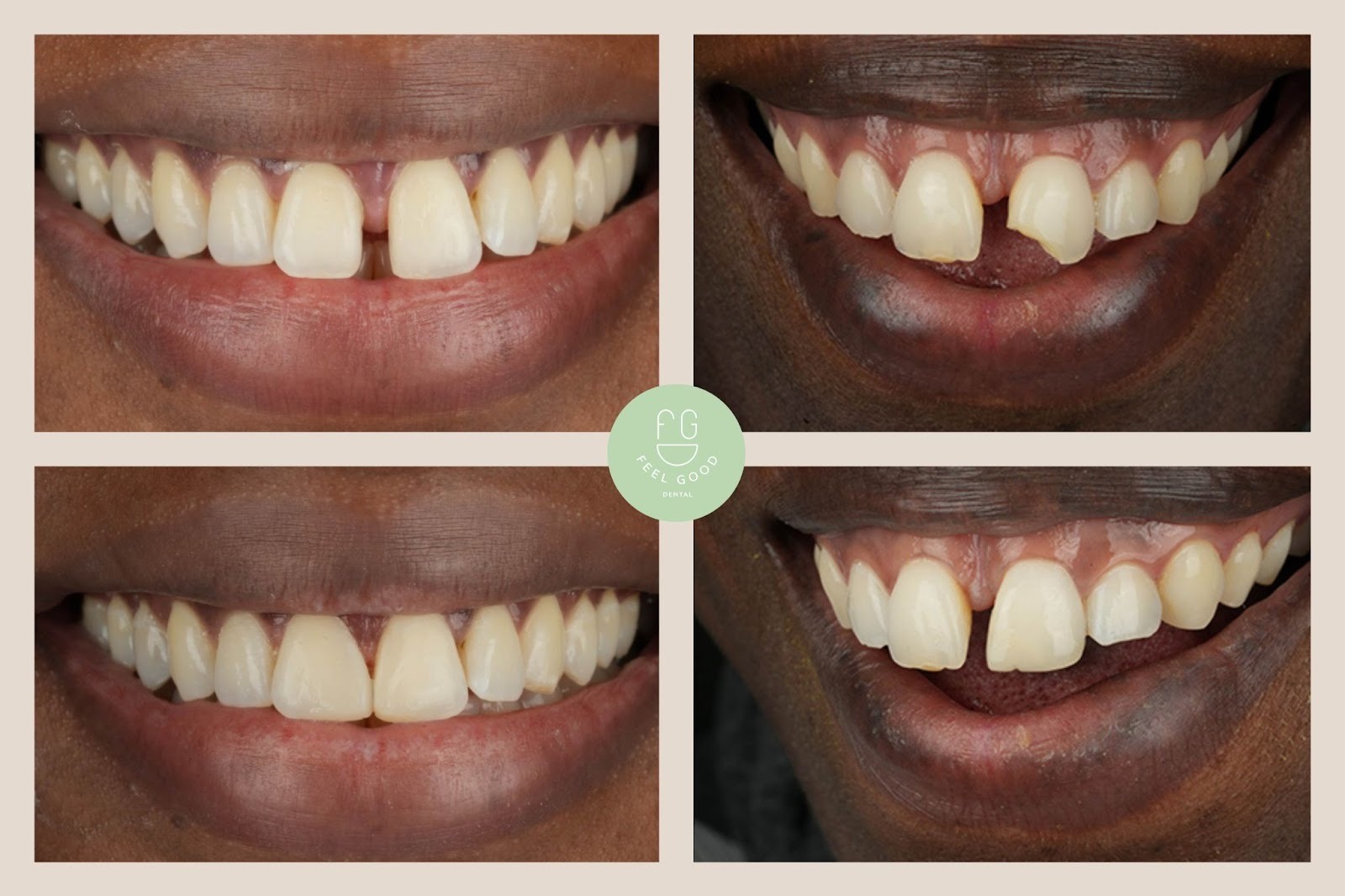
Small gaps between teeth can often be improved with composite bonding. The material is added carefully to reshape the teeth and reduce the space, creating a more even look.
This is often chosen by patients who want to improve spacing without orthodontic treatment, where the gap is minor and the teeth are otherwise healthy.
Composite bonding is also helpful for patients with teeth that look uneven, shortened or worn down. By building up the edges slightly, your dentist can improve balance across the smile and restore a more symmetrical appearance.
This is particularly useful where wear has affected the front teeth over time.
If one or two teeth are discoloured and whitening alone is not likely to improve them evenly, composite bonding may be an option. The resin is colour matched to blend with the surrounding teeth and improve the overall appearance of the smile.
Your dentist will advise whether bonding, whitening or another treatment would be the most suitable approach.
The treatment itself is usually straightforward. After examining your teeth and discussing your goals, your dentist selects a shade of composite that matches your natural smile.
The tooth surface is prepared, the bonding material is applied, and the resin is shaped by hand to create the planned result. A special curing light is then used to harden the material, before the tooth is smoothed and polished.
The aim is always a result that looks natural, feels comfortable and works well with the rest of your smile.
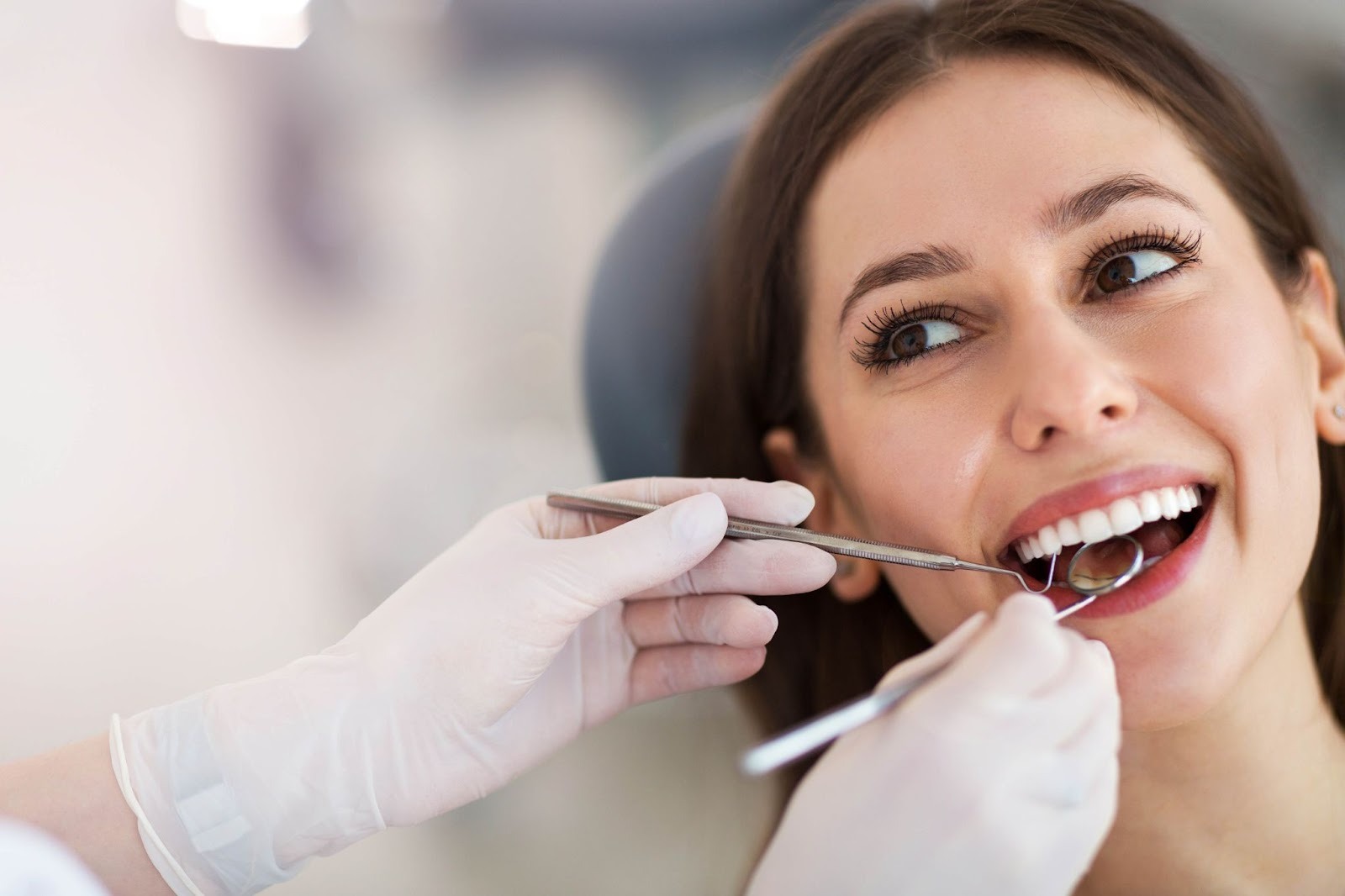
Before treatment, you will have a consultation to assess whether bonding is suitable for you. Your dentist will look at:
This is also the time to talk about what kind of result you want. Clear expectations matter, especially with cosmetic dentistry, so you feel informed and confident before going ahead.
Once treatment begins, the composite resin is applied in layers and shaped carefully to the tooth. This part of the process is precise and technique-sensitive. The material needs to look natural from every angle, not bulky or flat.
At Feel Good Dental, the focus is always on a result that complements your face and smile rather than looking overworked.
After the resin has been set, the tooth is polished so it blends with the surrounding enamel. This final stage helps the bonded tooth look smooth, natural and light-reflective.
A good finish is a key part of successful composite bonding, especially on the front teeth.
A common question patients ask is how long composite bonding lasts. In general, bonding often lasts several years, depending on the teeth involved, your bite, your oral hygiene and daily habits.
For many patients, composite bonding lasts around 5 to 10 years before touch-ups or repairs are needed.
Factors that affect longevity include:
Your dentist will explain how to look after bonded teeth and what sort of maintenance to expect.
Looking after composite bonding is similar to looking after your natural teeth. Good home care and regular check-ups are important.
Helpful habits include:
Although composite bonding is durable, it is not exactly the same as natural enamel, so a little extra care helps preserve the result.

Over time, bonded teeth may need polishing, small repairs or touch-ups. This is normal. Composite material can pick up staining and wear with time, especially on the edges of front teeth. The good news is that repairs are often straightforward, and your dentist can usually advise whether a simple refresh is enough.
Patients often compare composite bonding vs veneers when thinking about cosmetic treatments.
Composite bonding involves applying resin directly to the tooth. Veneers are thin coverings, often made from porcelain, which are fitted to the front surface of the tooth.
Composite bonding is often chosen when:
Veneers may be more suitable when:
Neither treatment is automatically better than the other. The right choice depends on your smile, goals and oral health.
Composite bonding may be recommended when teeth and gums are healthy and the changes needed are mainly cosmetic.
It often suits patients who want to improve:
If more extensive changes are needed, your dentist might recommend alternatives such as orthodontics, teeth whitening, veneers or restorative treatment.

Composite bonding suits many patients, but not everyone. It is usually most appropriate where the teeth and gums are healthy and the desired changes are relatively small.
You may be suitable if you:
If you grind your teeth, have a very heavy bite or are hoping to correct more complex issues, your dentist may suggest another route.
Patients choose composite bonding for lots of reasons, including:
For many people, the appeal is simple: It’s a practical treatment that improves confidence without feeling overwhelming.
The cost of composite bonding varies depending on the number of teeth being treated and the complexity of the work involved - at Feel Good Dental, prices start from £300 for a single tooth.
Some patients choose bonding to improve a single chipped edge, while others may have several teeth - or more - reshaped as part of a wider smile improvement.
At Feel Good Dental, patients always receive a clear treatment plan and cost breakdown before treatment begins, so you know exactly what to expect.
For guide pricing and a full breakdown of treatment fees, please see our fees page.
There are times when another treatment may be more suitable than composite bonding.
For example:
A good consultation should always include honest advice about what is, and is not, the right fit for your smile.
The cost of composite bonding in Croydon varies depending on the number of teeth being treated, how much reshaping is involved and the complexity of the case.
During your consultation, your dentist will explain the recommended treatment and provide a clear cost breakdown before anything goes ahead. This helps you understand exactly what is involved and make an informed decision.
As with any cosmetic treatment, it is important to look at suitability, expected outcome and long-term maintenance, not only price.
Compared with other cosmetic treatments, composite bonding often sits in a useful middle ground. It is more conservative than veneers and more shape-focused than whitening.
Depending on the case, your dentist may discuss composite bonding alongside:
The goal is always to recommend the most suitable option for your teeth, not simply the most popular one.
Feel Good Dental welcomes patients from across the local area, including those searching for:
Composite bonding Croydon town centre
Composite bonding West Croydon
Composite bonding South Croydon
Composite bonding Addiscombe
Composite bonding Shirley
Composite bonding South Norwood
Our practice is based in Addiscombe and supports patients from across Croydon who want clear advice, modern treatment and a calm, friendly environment.
If you are considering composite bonding in Croydon, the best next step is a consultation so your dentist can assess your teeth and discuss the most suitable options for your smile.
During your appointment, your dentist will explain how composite bonding treatment works, talk through realistic outcomes, and show examples of composite bonding before and after results where appropriate.
You will receive clear guidance, a personalised treatment plan and transparent pricing before any treatment begins.
To find out whether composite bonding is right for you, book a free consultation or head over to our Composite Bonding page to find out more.
Composite bonding is a cosmetic dental bonding technique that uses a tooth-coloured resin to improve the appearance of teeth, which is why it's sometimes called cosmetic bonding. This composite bonding treatment is often used to correct minor imperfections such as chips, small gaps, uneven edges and mild discolouration. At a modern dental practice, bonding is designed to enhance your smile while keeping as much of your natural tooth structure as possible.
A common question patients ask is how much composite bonding Croydon patients typically pay for treatment. The cost depends on the number of teeth involved and the complexity of treatment. During the composite bonding consultation Croydon patients attend before treatment, your composite bonding dentist will assess your smile and provide a clear treatment plan and personalised quote.
Composite bonding often lasts between 5 and 10 years. The lifespan depends on oral hygiene, bite forces and daily habits. Good composite bonding aftercare, regular check-ups and hygienist visits help maintain the appearance of bonded teeth. If needed, a composite bonding repair is often straightforward.
Composite bonding is usually a comfortable treatment. Because very little natural tooth structure needs to be removed, injections are often not required. Many patients choose teeth bonding Croydon treatment because it is conservative and fits easily alongside routine general dentistry care.
Yes, composite bonding for gaps in teeth is commonly used to improve the appearance of small spaces between teeth. By carefully reshaping the teeth with composite resin, your dentist can create a more balanced and even smile. This approach is also sometimes referred to as composite edge bonding Croydon patients choose to refine the front teeth.
In many cases composite bonding for uneven teeth can improve the shape and balance of the smile. Small adjustments to the edges of teeth help create a more even appearance. For some patients, this type of treatment forms part of a smile makeover composite bonding Croydon dentists may recommend.
Composite bonding is considered a conservative cosmetic treatment because very little natural tooth structure is altered. Whether composite bonding is reversible depends on the individual case, but it is generally far less invasive than treatments such as veneers or crowns.
Composite bonding involves applying resin directly to the tooth surface, while veneers are thin custom shells placed over the front of the tooth. Bonding is usually quicker and more conservative. Your dentist may also discuss comparisons such as composite bonding vs SmileFast or composite bonding vs crowns, depending on the type of result you are hoping to achieve.
Many Croydon cosmetic bonding appointments are completed in a single visit. The treatment time depends on how many teeth are being improved. Patients often ask how many teeth can be bonded, which varies depending on the treatment plan agreed with your dentist.


